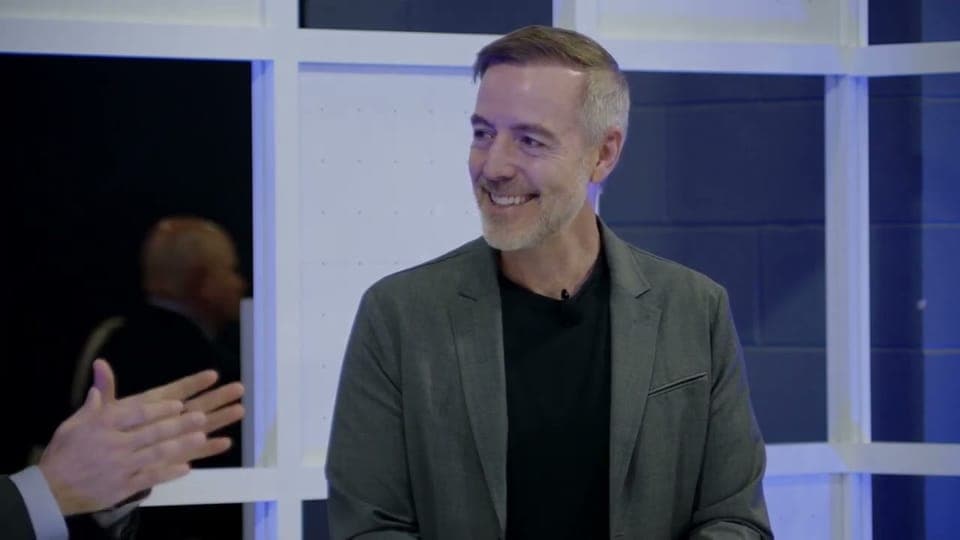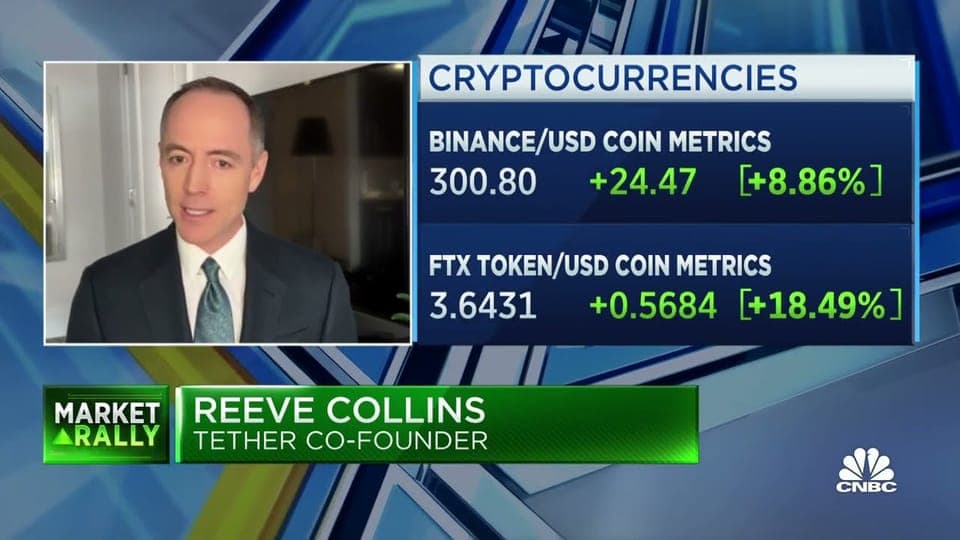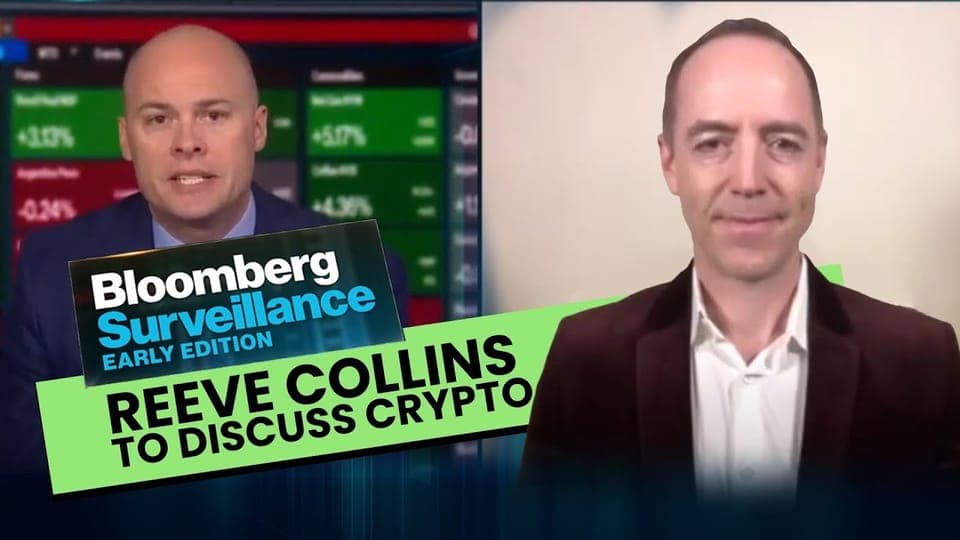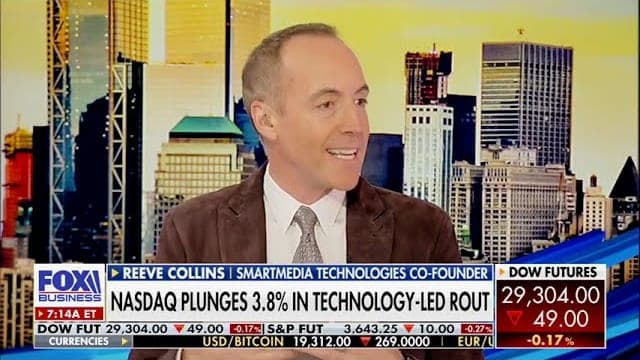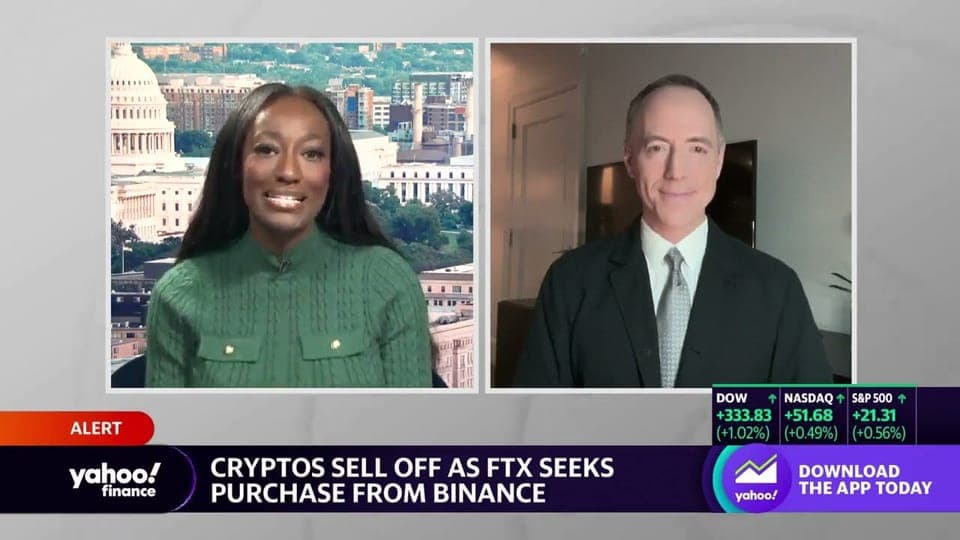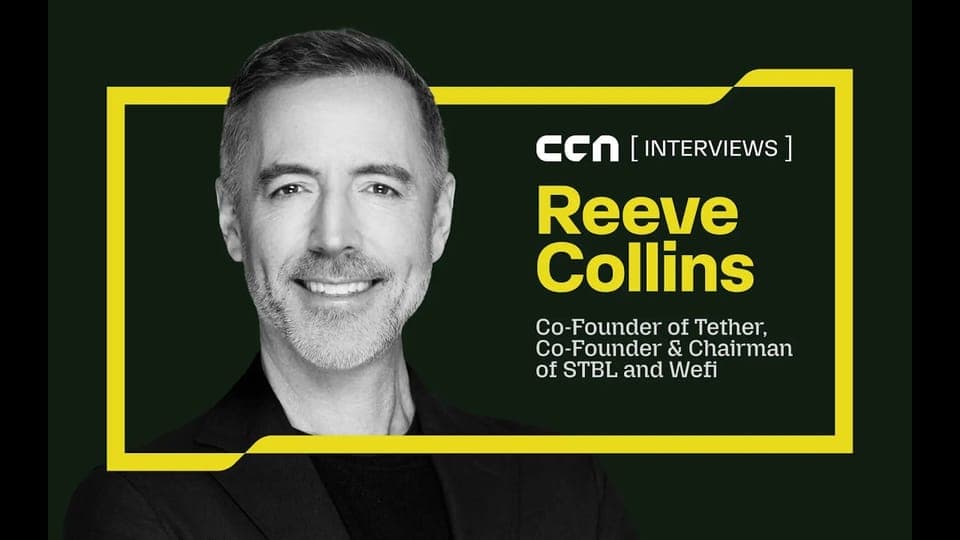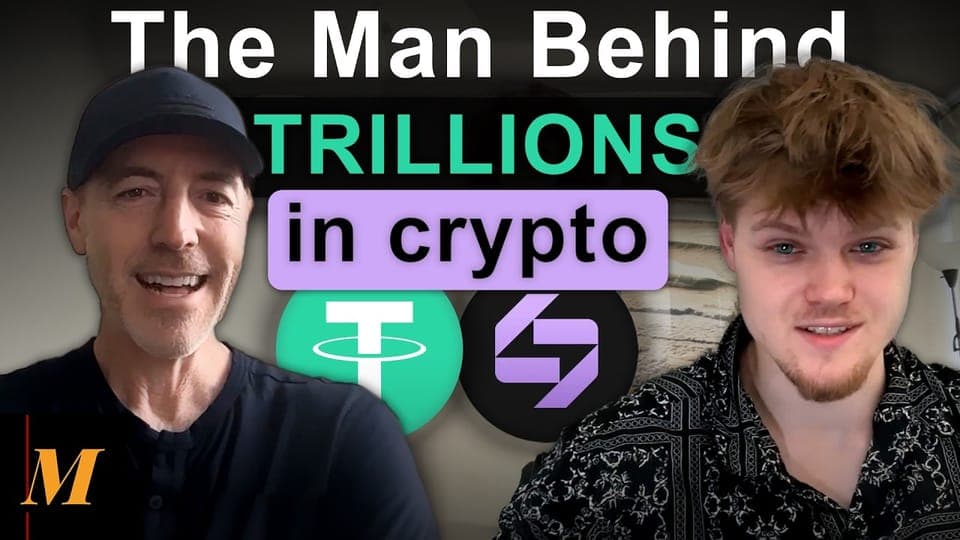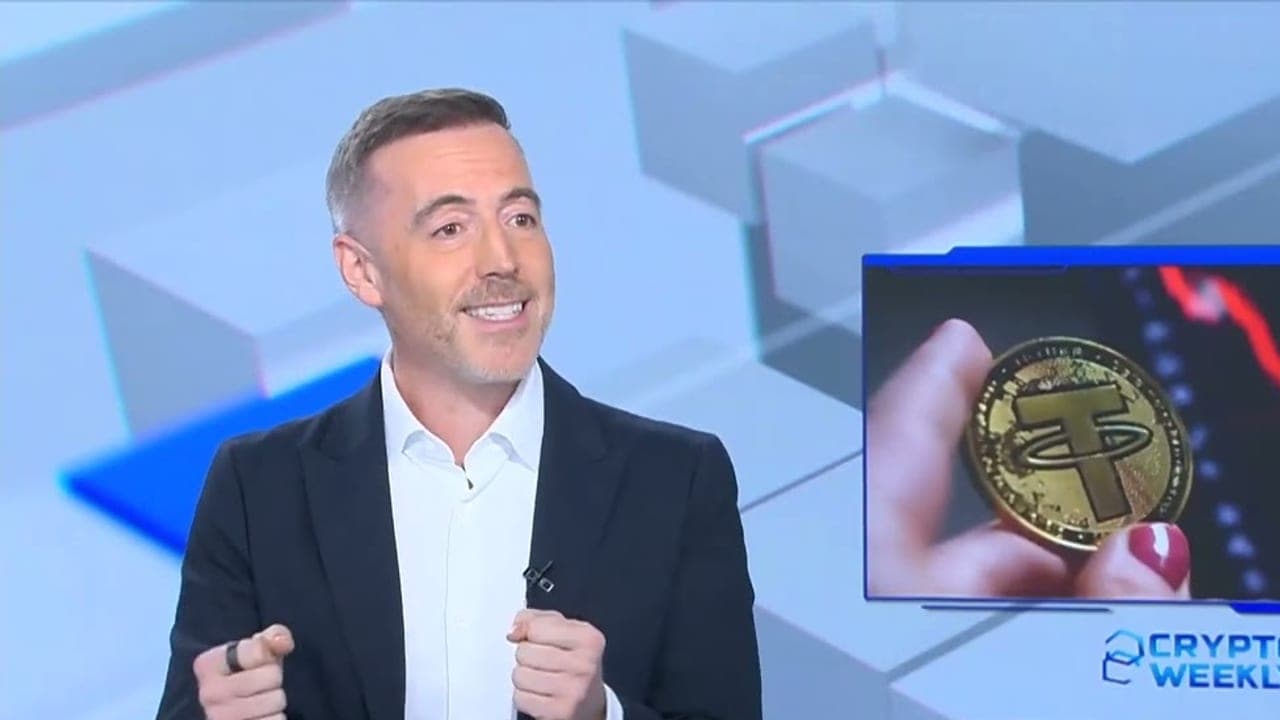
Tether
Co-founder and first CEO, 2013 to 2015. Launched in July 2014 as Realcoin with Brock Pierce and Craig Sellars, and renamed Tether that November.
- USDT market cap
- $184.1B
- Year launched
- 2014


Architect of Web3 financial infrastructure powering trillions in global transactions.
Contact






For most of financial history, the people who moved money were not the people who made money from moving it. Banks captured settlement float. Custodians captured opacity fees. Intermediaries at every layer extracted value from every transaction that passed through them. Not because they deserved it. Because they owned the infrastructure. Access was rationed by geography, documentation, and minimum balance. The institutions that controlled the rails decided who could use them and on what terms.
In 2014, the first dollar-backed token put the ledger on a public network. The model worked. Stablecoins became infrastructure. The institutions that had dismissed them started building on them. But the first generation solved only half the problem: money moved on open rails, and then the yield from hundreds of billions in reserves flowed almost entirely back to the issuer. A new mechanism, the same extraction logic. The pieces for something different now exist. They are not yet connected.
A connected stack changes the answer to the design question. Programmable rules embedded in the asset mean the rules enforce themselves, with no compliance department required and no intermediary to trust. Yield separates from the principal and flows to the holder rather than the house. Banking settles in seconds because the float that made delay profitable no longer exists. Collateral works while it sits instead of sitting while it works. An interface that reaches anyone with a phone, not anyone with the right documents.
The financial system is not being upgraded. The extraction logic is being removed from it.
These are separate companies. They are also layers of the same stack.
The branch served one purpose: proximity. For two centuries, that was sufficient. The bank was where you went because the bank was the only place the functions existed. Proximity was scarce.
Proximity is not scarce. The smartphone reached more people faster than any previous technology in history, including electricity and running water. In most developing markets, smartphone penetration exceeds bank account penetration by a significant margin. The 1.4 billion adults globally who remain unbanked are not unbanked because they lack devices. They are unbanked because banking has always required documentation standards, minimum balances, and credit histories. Those requirements were always the source of banking's profit, not the service itself.
A wallet connected to this stack reaches anyone with a phone. No branch required. No documentation threshold. No minimum balance designed to exclude the people who would use the account the most and profit the issuer the least. The same infrastructure that serves an institutional investor running treasury operations serves a merchant in Nairobi running a micro-business on a feature phone.
Banking stops being a place you are admitted to. It becomes a function you carry with you.
A bank is four functions: custody, accounts, payments, yield. Branches existed because those functions required physical infrastructure. That constraint disappeared twenty years ago. What didn't disappear were the extraction mechanisms that grew up around the infrastructure. The settlement float generated by deliberately slow ACH windows. The fee income from geographic monopoly. The yield captured on deposits that holders never see.
The 1-to-3-day settlement window is not a technical limitation. The technology to move money in three seconds has existed for years. The window persists for two reasons. Float is profitable: every dollar in transit generates yield for the institution holding it, and that calculation is so deeply embedded in banking infrastructure that most people never notice it. And regulation, written for a world where settlement actually took days, has been slow to catch up to a world where it doesn't have to. The first is a revenue model. The second is a legacy frame that is finally starting to shift. Together they represent hundreds of billions of dollars annually transferred from account holders to the institutions that serve them.
WeFi is rebuilding the four functions of banking without the extraction mechanisms. Yield passes through to the holder as a structural feature, not a promotional rate. Settlement moves in seconds because there is no float to preserve. The assets never leave the wallets they came from, because WeFi is not a balance sheet. There are no pooled deposits to lend, no spread to capture, no extraction mechanism that depends on temporarily owning the customer's money. Banking becomes software that runs on any device, in any jurisdiction, without the gatekeeping infrastructure that was always the source of the profit, not the service.
In 2014, depositing one dollar and receiving one digital dollar in return was genuinely radical. The mechanism was auditable. Every promise was kept. Tether became one of the fastest-growing monetary systems in history precisely because the original contract was honored at scale.
What it didn't solve, what it couldn't solve within its own structure, was who benefited from the economics of that scale. When stablecoins reached hundreds of billions in circulation, the interest on the underlying reserves became a number that mattered. It flowed almost entirely to the issuer. The holders who provided the network effects. The merchants who gave the token its utility. The users who made the reserve valuable. They received none of it.
The second-generation model introduced by STBL separates what the first generation fused. The spendable token remains what it was: liquid, collateralized, redeemable at par. The yield from the underlying reserves becomes a separate asset. Transparent, programmable, transferable. And it flows to the people who created the reserves in the first place. Mint the stablecoin by depositing real assets, earn the yield those assets generate. The stablecoin becomes honest about its own economics for the first time.
Gold is not the most interesting asset. It is the most honest starting point.
There are no cash flows to model, no credit assumptions to verify, no jurisdiction to dispute. Five thousand years of track record as a store of value that no sovereign can inflate. Gold works as the foundation of a sound monetary system for exactly one reason: no one can make more of it. That constraint is why every government that has wanted to spend beyond its means has eventually moved off the gold standard. The constraint is the feature.
On-chain gold does something that physical gold and paper gold certificates never could: it enforces its own rules. Rehypothecation is one of the oldest extraction mechanisms in finance and one of the hardest to police. It works by pledging the same collateral multiple times in a chain of lending that obscures the true state of ownership. The 2008 crisis was partly a rehypothecation problem: the same assets had been pledged so many times through so many intermediaries that no one could reconstruct who actually owned what. Gold has lived with a quieter version of the same problem for decades. Paper gold certificates have historically traded at multiples of the physical gold actually held in vaults, which means most people who think they own gold own a claim on someone else's claim. A tokenized gold position carries its own provenance. The chain of custody is visible. The pledge history is on the ledger. The protocol can enforce a hard ceiling on how many times any unit of collateral can be re-pledged. Not because a compliance officer is checking. Because the rule is in the asset.
This matters for Islamic finance as much as it matters for institutional risk management. Shariah law has prohibited riba, gharar, and maysir for fourteen centuries. The prohibition on charging interest on money. The ban on selling what you do not own. The restriction on pure speculation. These are not arbitrary rules. They are a systematic effort to prevent extraction from the people participating in a financial system. The problem has always been enforcement: halal finance required separate products, separate compliance structures, separate institutions. Programmable assets collapse that requirement. The rules that make an asset Shariah-compliant are a configuration of the token, not a separate product category. The same infrastructure serves conventional and ethical financial systems because the ethics are encoded in the asset, not bolted on by an institution.
AUM begins with gold because trusted collateral is the cleanest proof that a real-world asset can become a productive system. A reserve asset that earned nothing becomes a working one.
Once collateral is programmable, the money issued against it has to become programmable too.
Every financial system begins with a ledger and a set of rules. What it also begins with, less visibly, is a separation: the rules live in one place, the assets in another. Laws, compliance departments, legal contracts, custodians. That separation is not just an architectural choice. It is the source of most financial extraction. The people who own the rules capture value from the people who hold the assets.
Programmable assets collapse that separation. The asset carries its own rules. Transfer conditions, lifecycle triggers, compliance requirements. All of it encoded in the token, enforced by the protocol, requiring no intermediary to police.
We proved this in one of the hardest environments first: global consumer brands. Through SmartMedia Technologies, programmable tokens were deployed to more than 11.5 million wallets across Visa, PepsiCo, Samsung, FIFA, and the Olympics. The model worked at the scale of the global consumer economy. Dual opens that infrastructure as a decentralized protocol any builder can use, so that assets anywhere can carry their own identity, logic, permissions, and lifecycle.
The rules used to live in institutions. Now they live in the assets.
Before money can be programmable, the object holding value has to be programmable first. Everything above this layer assumes it already exists.
The original promise of Tether was simple: give me a dollar, I put it in the bank, and I issue a token.
It's still dollars. It's just formatted to work on a better infrastructure. For anyone whose own currency loses value every year, that is a stable dollar in their pocket.
All currencies will move onto a blockchain. Transfers will be instant, global, and nearly free.
Co-founder and first CEO, 2013 to 2015. Launched in July 2014 as Realcoin with Brock Pierce and Craig Sellars, and renamed Tether that November.
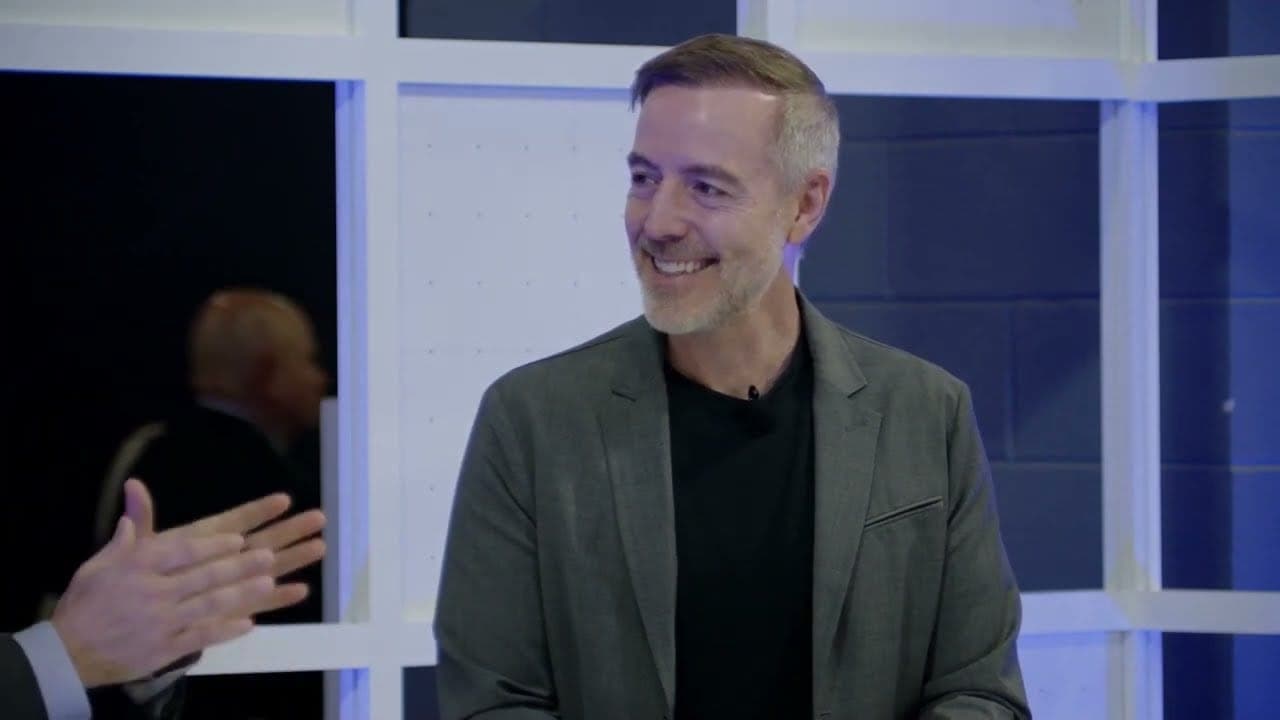
Co-founder and chairman of all three. STBL and Pi Protocol issue yield-bearing stablecoins. WeFi is onchain banking, partnered with Visa since April 2026.
Visa and WeFi on CoinDesk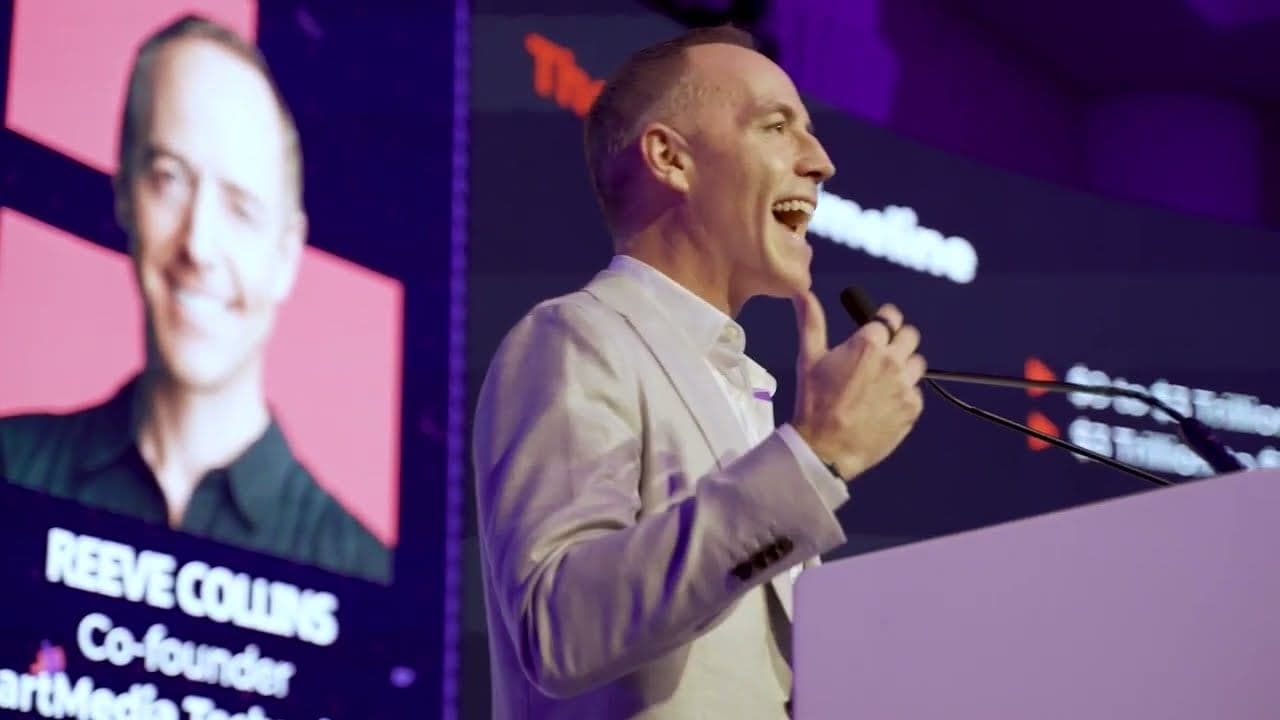
Available for keynotes, panels, and fireside chats on stablecoins, DeFi, Web3 infrastructure, and the future of finance.
Get in touchEarly employee
Digital advertising firm. IPO at $6.6B.
Co-founder
Digital advertising network.
Founder
Online gaming platform. Raised $70M; sold to Boyd Gaming.
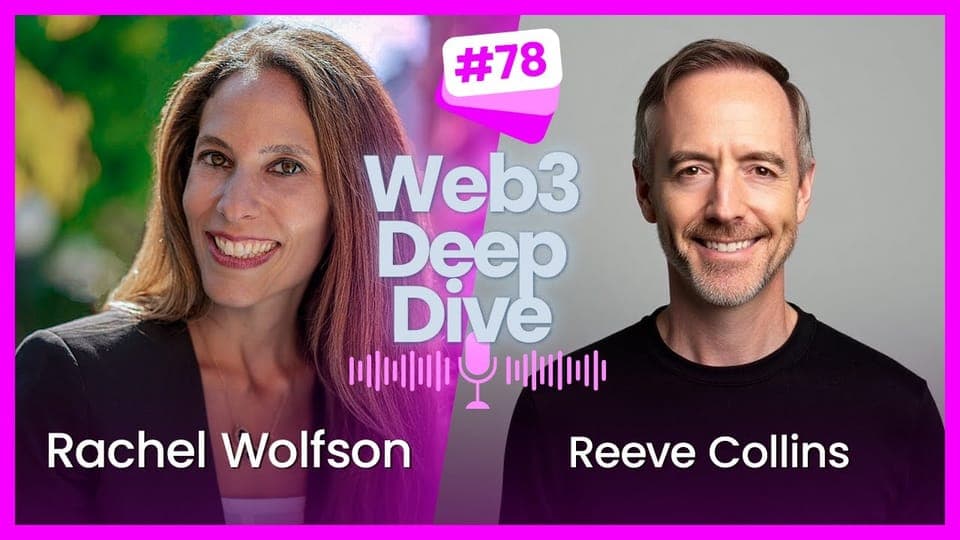
 , watch on YouTube: Web3 Deep Dive, 2025
Co-founder and first CEO
Launched as Realcoin in July; renamed Tether four months later.
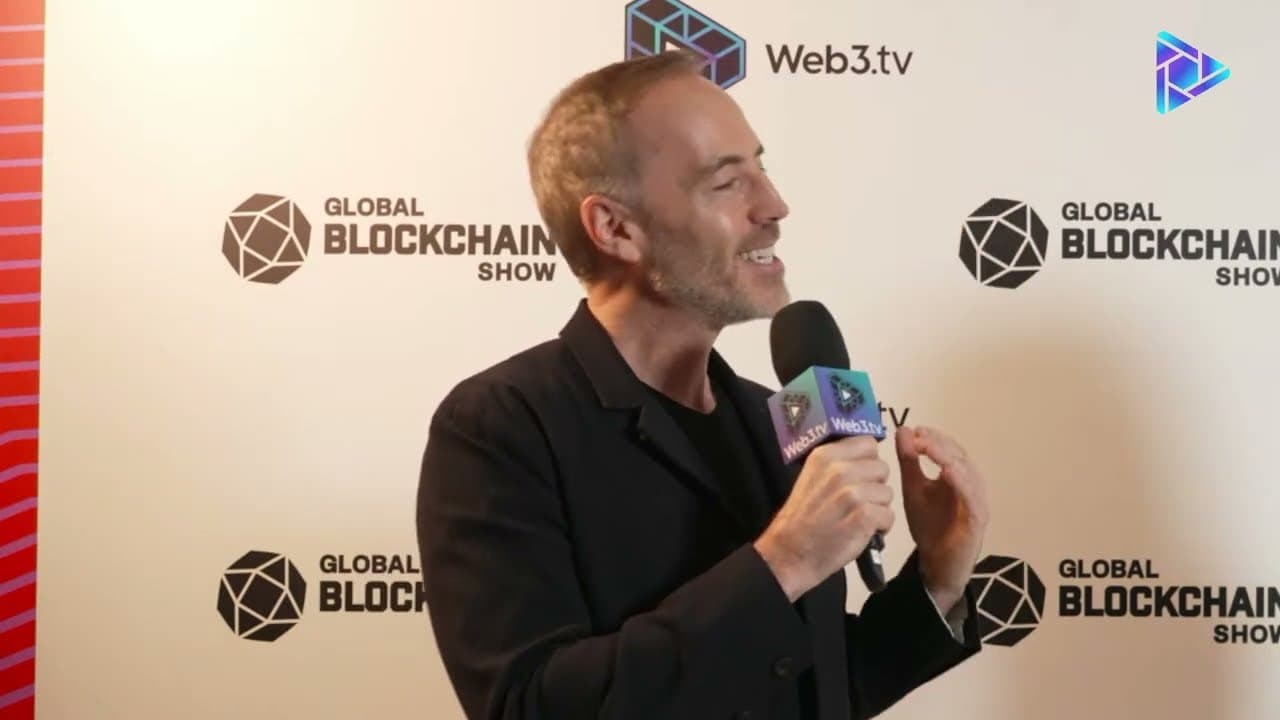 , watch on YouTube: Global Blockchain Show, 2024
Co-founder
Raised $22M in its 2017 ICO.
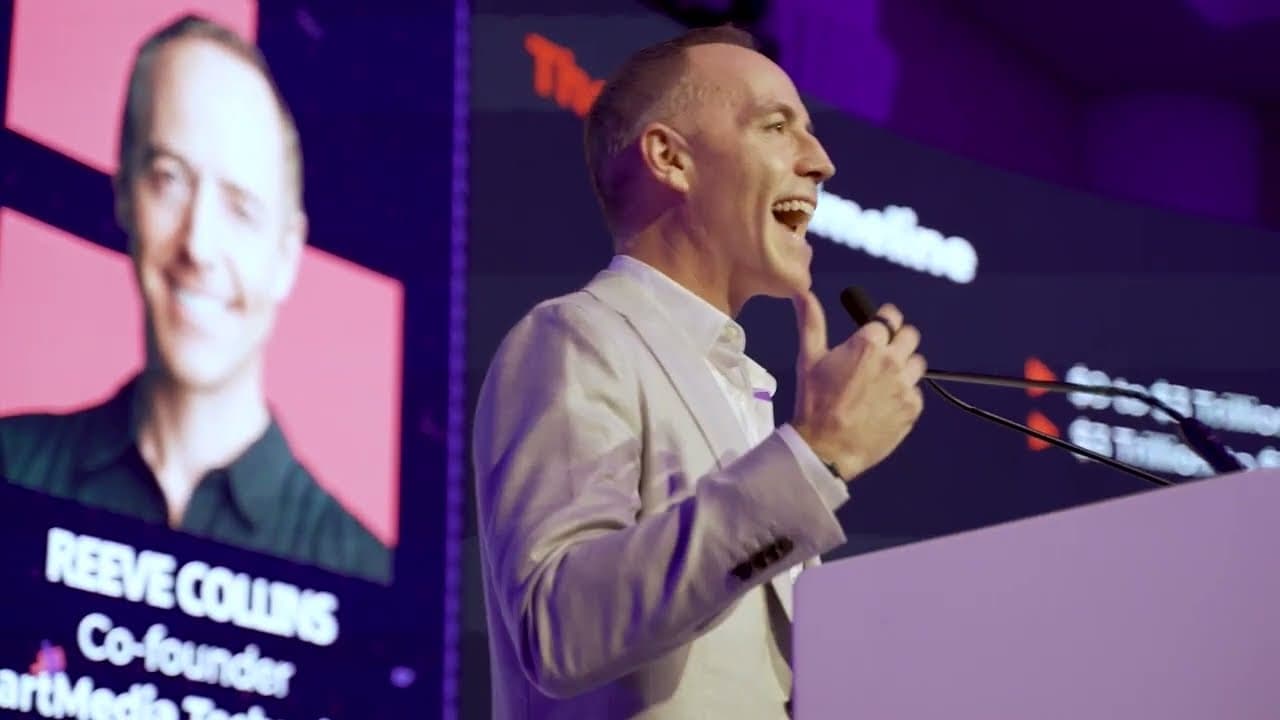 , watch on YouTube: World Blockchain Summit, 2022
Founder
Enterprise Web3 platform.
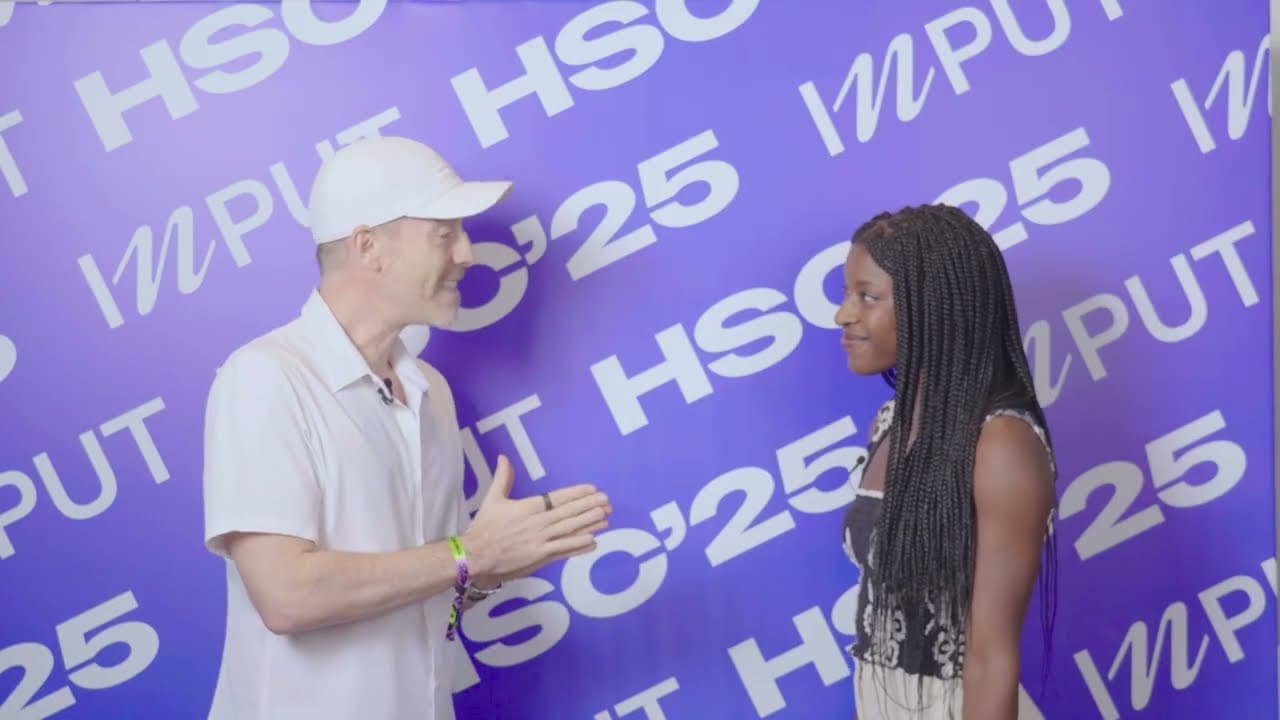 , watch on YouTube: Hack Seasons, 2025
Co-founder and chairman
Onchain banking. Partnered with Visa in April 2026.
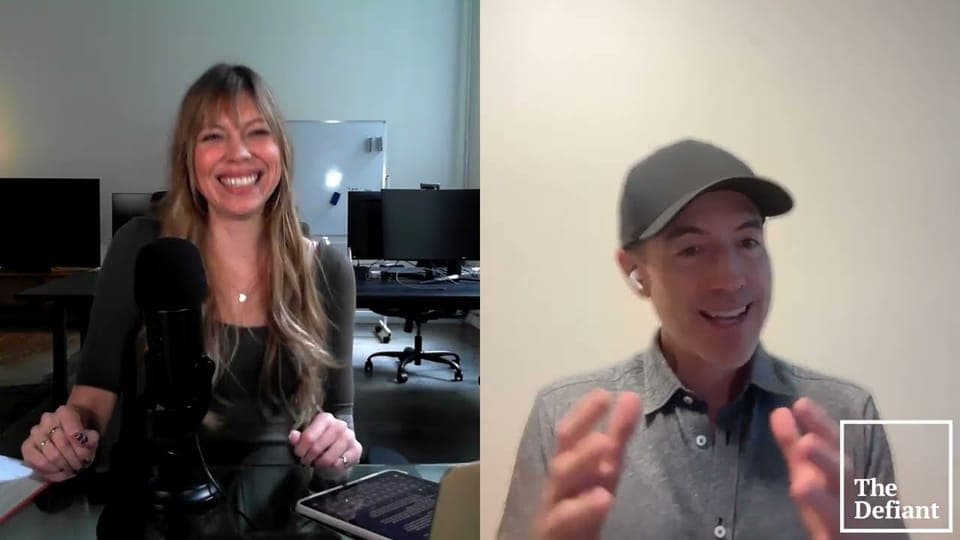
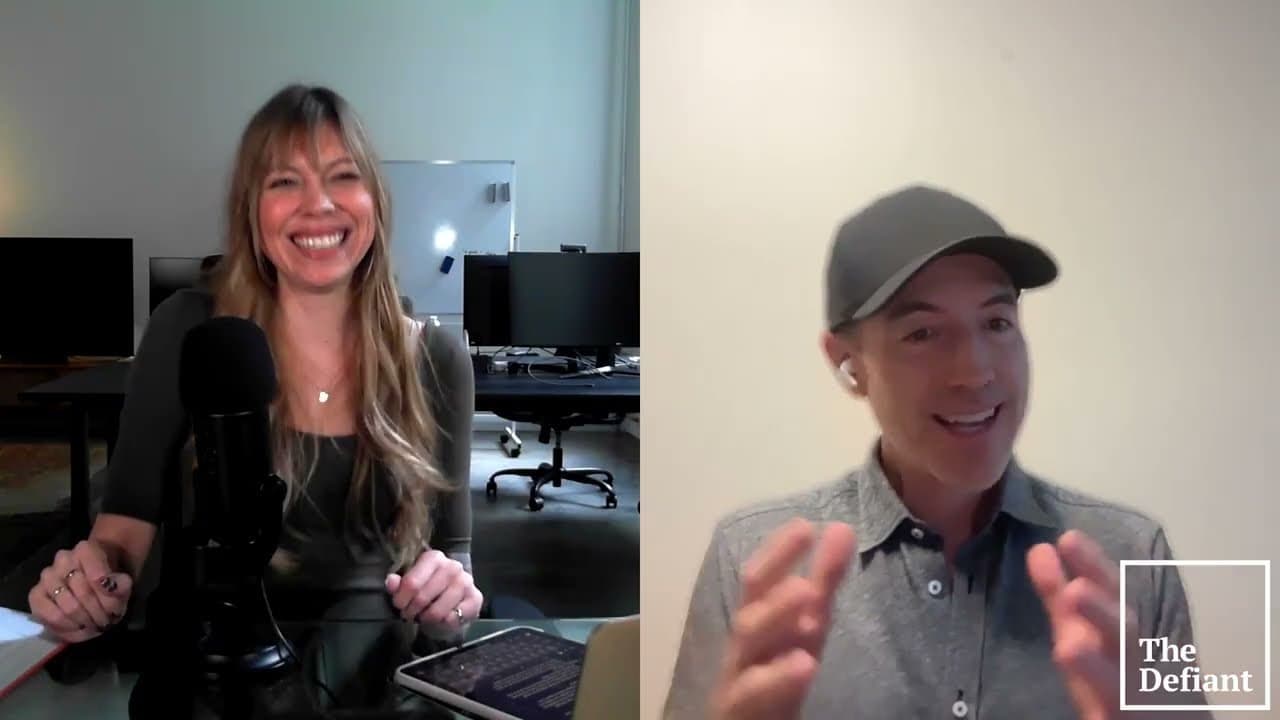 , watch on YouTube: The Defiant, 2025
Co-founder and chairman
Yield-bearing stablecoins.
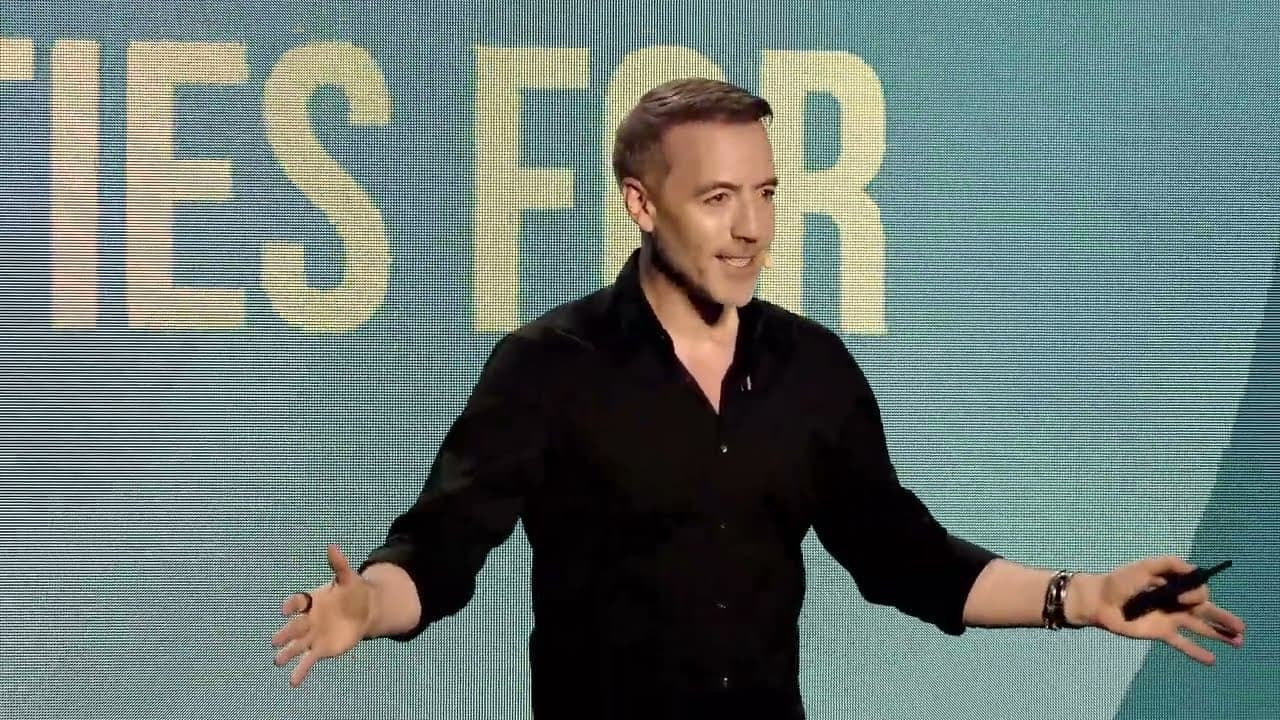 , watch on YouTube: Blockchain Life, 2025
Co-founder and chairman
Yield-bearing stablecoin platform.
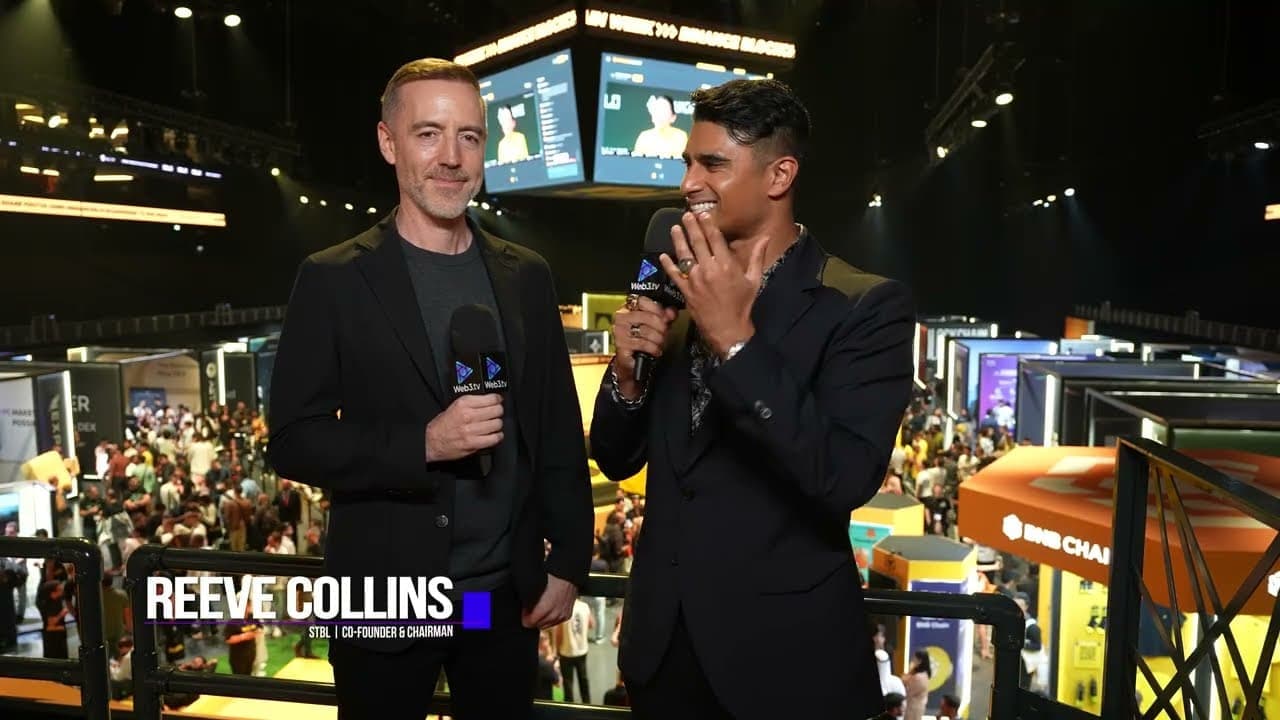 , watch on YouTube: Binance Blockchain Week, 2025
Co-founder
$1B SPAC for digital assets, with Chinh Chu.
Early employee
Digital advertising firm. IPO at $6.6B.
Co-founder
Digital advertising network.
Founder
Online gaming platform. Raised $70M; sold to Boyd Gaming.
, watch on YouTubeCo-founder and first CEO
Launched as Realcoin in July; renamed Tether four months later.
, watch on YouTubeCo-founder
Raised $22M in its 2017 ICO.
, watch on YouTubeFounder
Enterprise Web3 platform.
, watch on YouTubeCo-founder and chairman
Onchain banking. Partnered with Visa in April 2026.
, watch on YouTubeCo-founder and chairman
Yield-bearing stablecoins.
, watch on YouTubeCo-founder and chairman
Yield-bearing stablecoin platform.
, watch on YouTubeCo-founder
$1B SPAC for digital assets, with Chinh Chu.
For speaking engagements, investment inquiries, or partnership opportunities.